
How to Care for Your Newly Renovated Bathroom
A bathroom renovation is an investment in everyday comfort. The best way to protect the result is to follow the installer’s handover instructions and use a gentle, consistent maintenance routine. Different finishes need different care, so always check the guidance supplied with your products.
How to Care for Your Newly Renovated Bathroom
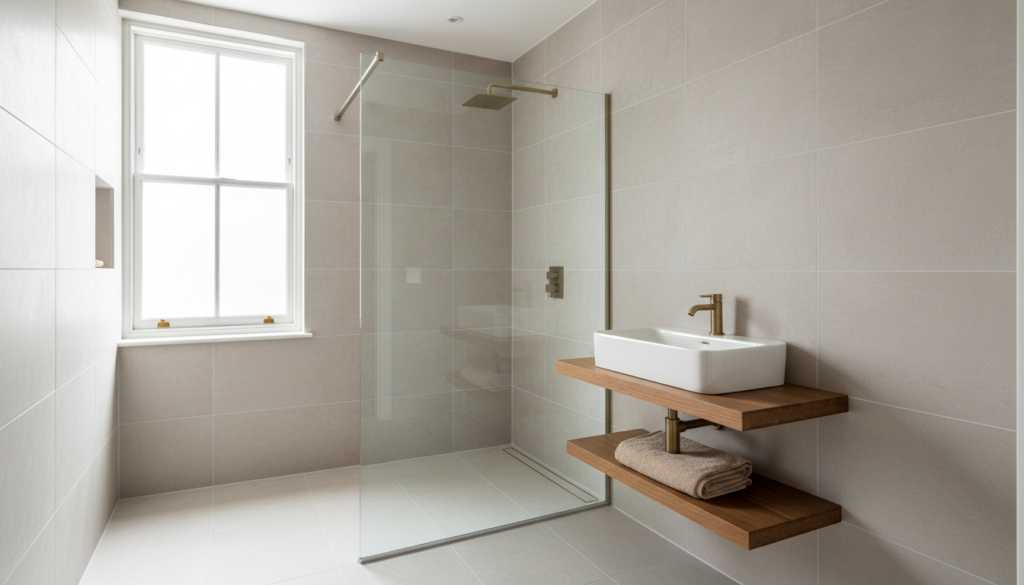
Start with the handover instructions
Before using a new shower, ask when silicone, grout, adhesives, sealers and any specialist coatings will be ready for water exposure. These periods vary by product and conditions. Do not assume a newly finished bathroom is immediately ready for use.
Daily habits that make a difference
- Run the extractor fan during bathing or showering and for the recommended period afterwards.
- Use a squeegee on shower glass and wipe standing water from ledges where practical.
- Keep the shower area clear of bottles that trap moisture against sealant.
- Notice new drips, persistent damp patches or unusual smells early.
Clean the right way
Use a soft cloth and a non-abrasive cleaner approved for the surface. Harsh acidic or abrasive products can damage some stone, metal finishes, sealers and grout. Natural stone generally calls for a pH-neutral cleaner; specialist brass, microcement and coated fittings may require additional care. Do not mix cleaning products.
Tiles and grout
Clean grout gently and watch for cracking or crumbling. Not every grout needs periodic sealing, and sealing grout does not waterproof a shower. Follow the grout manufacturer’s specification and keep movement joints in suitable flexible sealant.
Silicone around the bath and shower
Inspect silicone periodically for lifting, gaps or discolouration. When a seal fails, water may reach the background behind it. Arrange a proper replacement rather than simply applying more silicone over an unsuitable surface.
Glass and brass-coloured fittings
Dry shower glass after use to reduce limescale marks. For brass, brushed gold and other plated finishes, start with warm water and a soft cloth; use a product-approved cleaner where necessary. Aggressive descalers may damage decorative coatings.
Ventilation and moisture control
A working extractor, suitable heating and reasonable airflow help moisture escape. If condensation remains on the ceiling or windows for long periods, the issue may relate to ventilation performance, temperature or a hidden leak. See the UK government’s guidance on damp and mould.
Care for flooring, waste pipes and drains
Remove hair from accessible drain traps following the manufacturer’s instructions. Avoid chemical drain treatments that the fittings supplier does not recommend. Keep timber-effect and laminate flooring within the moisture limits specified by its manufacturer; not every laminate product is suitable for a bathroom.
Review your bathroom every few months
Check for leaking taps, loose fittings, cracks, water marks, sealant failure and an extractor fan that no longer works effectively. Early attention is usually simpler than repairing concealed water damage.
When to call for professional help
Seek advice for recurring leaks, persistent mould, damaged waterproofing, unstable fixtures or electrical concerns. A specialist can assess whether the issue is routine maintenance or a fault that needs repair.
Planning a bathroom improvement in West London? Explore our completed projects, learn about our bathroom renovation services, or tell us about your project for a tailored quotation.